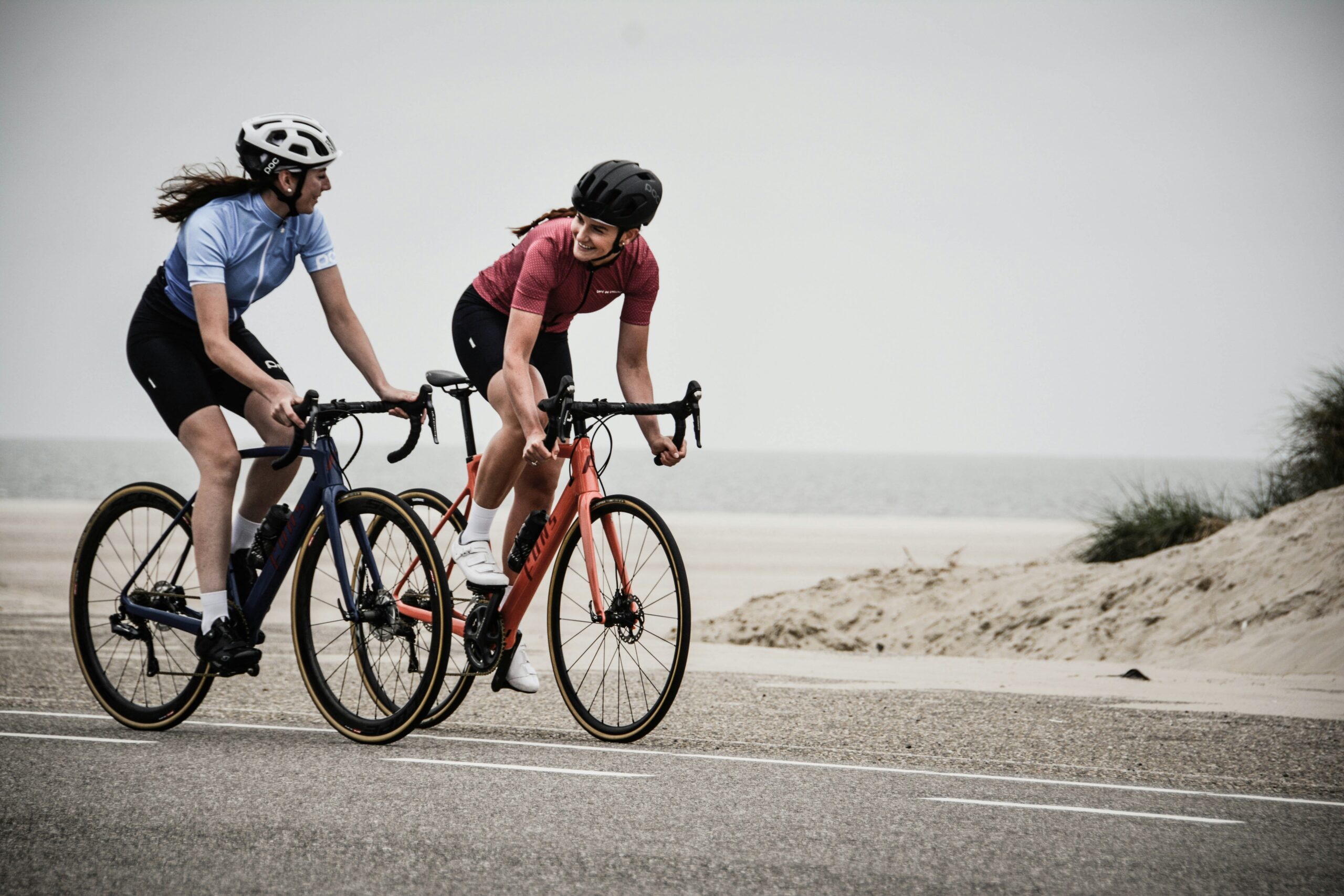
If you had to choose a single exercise protocol for longevity — one that improves cardiovascular health, builds mitochondrial capacity, protects the brain, regulates metabolism, and does so with minimal injury risk — it would be Zone 2 training. Researchers like Iñigo San Millán (University of Colorado) and Peter Attia (author of Outlive) have brought Zone 2 from athletic performance science into mainstream longevity medicine. The evidence is compelling.
What Is Zone 2 Training?
Zone 2 refers to a specific intensity band of aerobic exercise — the upper limit of pure fat oxidation, where lactate is produced and cleared at roughly equal rates (lactate threshold 1, or LT1). In practice, Zone 2 feels like: a pace where you could hold a conversation in full sentences, breathing is elevated but comfortable, and you could sustain this pace for hours.
Heart rate target: 65–75% of maximum heart rate. Or: 180 minus your age (Maffetone Method). Or: staying below the first ventilatory threshold (VT1) where you can still speak comfortably.
Common Zone 2 activities: Easy running or jogging, cycling (indoor or outdoor, 60–80 rpm), rowing machine (light effort), elliptical, brisk walking with incline.
The Biology: Why Zone 2 Is Uniquely Powerful
1. Mitochondrial Biogenesis
Zone 2 is the primary stimulus for mitochondrial biogenesis — the creation of new mitochondria. Mitochondria are the cellular engines that produce ATP. With aging, mitochondrial number, density, and efficiency decline — strongly linked to metabolic disease, cardiovascular decline, and accelerated aging. Zone 2 activates PGC-1α (master regulator of mitochondrial biogenesis) more effectively than higher-intensity exercise.
2. Metabolic Flexibility
Zone 2 is performed predominantly using fat as fuel. Training at this intensity improves fat oxidation capacity — metabolic flexibility. People with good metabolic flexibility have stable energy throughout the day, lower fasting insulin, better glucose regulation, less visceral fat, and better cognitive function.
3. Cardiac Output and Stroke Volume
Zone 2 is the primary driver of increased cardiac stroke volume — the amount of blood ejected with each heartbeat. Higher stroke volume means the heart pumps more blood per beat, beating less frequently at rest (lower resting heart rate). This is one of the clearest markers of cardiovascular fitness and longevity.
4. VO2 Max Foundation
Zone 2 training builds the aerobic base that makes high-intensity work possible and sustainable. Elite athletes do 80% of their training at Zone 2 intensity — not because they’re going easy, but because that’s where the foundational adaptations happen.
5. Lactate Clearance
Zone 2 improves the ability of mitochondria to use lactate as fuel (the lactate shuttle mechanism). You clear lactate faster during more intense exercise — better performance and recovery. This is central to San Millán’s research on metabolic health.
How Much Zone 2 Do You Need?
Research-backed minimum: 150 minutes per week shows meaningful improvements in most metabolic and cardiovascular markers. 180–240 minutes per week is where most longevity-focused practitioners see substantial adaptation.
Peter Attia’s recommendation: 3–4 hours of Zone 2 per week as a long-term target. San Millán’s prescription: 4–5 sessions per week, 45–60 minutes each.
Practical starting point for non-athletes: Week 1–4: 3 sessions × 30 min = 90 min/week. Month 2: 4 sessions × 40 min = 160 min/week. Month 3+: 4–5 sessions × 45–60 min = 180–300 min/week.
The Most Common Zone 2 Mistake: Going Too Hard
Zone 2 is genuinely hard to stay in. Most people go too fast and end up in Zone 3 (“the gray zone”) — too hard for fat oxidation adaptations and too easy for VO2 max improvements. Signs you’re in Zone 3, not Zone 2: you’re breathing too hard to speak comfortably in full sentences; your heart rate is drifting toward 80–85% of max; you feel like you’re “working” rather than just “moving.”
The fix: slow down. This is psychologically difficult because Zone 2 feels “too easy.” Runners often need to jog/walk. Cyclists need to drop into light gears. Trust the process.
Tools for staying in Zone 2:
- Garmin HRM-Pro chest strap (most accurate heart rate monitor) or Polar H10
- Garmin Forerunner 265 with heart rate zone alerts
- WHOOP 4.0 strain tracking — helps monitor daily zone distribution
- Talk test: if you can’t speak comfortably in full sentences, you’re too hard
Zone 2 for Different Fitness Levels
Complete beginner: Start with brisk walking, ideally with incline. A 30-minute walk at a pace that slightly elevates breathing but allows comfortable conversation is genuine Zone 2.
Intermediate: Easy running, cycling, rowing, or elliptical. Focus on heart rate control — wear a monitor, keep it in the zone.
Advanced athlete: True Zone 2 at high fitness levels requires monitoring lactate or using power meters (for cycling). A Garmin with performance metrics handles most of this. Consider a lactate test to determine your exact thresholds.
Integrating Zone 2 Into a Complete Longevity Exercise Protocol
| Component | Weekly Volume | Benefit |
|---|---|---|
| Zone 2 cardio | 3–5 hours | Mitochondria, metabolic health, cardiac output, VO2 max base |
| High-intensity intervals | 2 sessions | VO2 max peak, lactate threshold, metabolic stress adaptation |
| Strength training | 2–3 sessions | Muscle mass, bone density, functional strength, insulin sensitivity |
| Stability/mobility | Daily (10–20 min) | Injury prevention, posture, neurological function |
The 80/20 rule: ~80% of aerobic training at Zone 2 intensity, ~20% at higher intensity. This is the distribution used by elite endurance athletes and increasingly prescribed in longevity medicine.
Tracking Zone 2 Progress
On Garmin: Training Status feature shows whether you’re building aerobic base. Track VO2 max trend over months. On WHOOP: Zone 2 sessions should produce Strain scores of 8–12 (moderate) rather than 15+ (too hard).
Key fitness markers to track over 12 weeks: Resting heart rate (should decline 2–5 bpm), HRV baseline (should increase), running/cycling pace at the same heart rate (should improve), VO2 max estimate (should increase).
The Bottom Line
Zone 2 training is the most evidence-backed exercise protocol for longevity. It’s not glamorous — it doesn’t feel hard, it takes time, and the adaptations are largely invisible in the short term. But the underlying biology is sound, the research is extensive, and the long-term compounding effects on mitochondrial health, cardiovascular fitness, and metabolic function are unmatched. Pair it with quality sleep — see our sleep optimization guide — and you have the two most impactful longevity interventions available.
Frequently Asked Questions
Can I do Zone 2 every day?
Zone 2 is low-stress enough that daily sessions are possible for most people. That said, 1–2 rest or very light days per week are still valuable for the nervous system and musculoskeletal system.
Is brisk walking Zone 2?
For most sedentary or low-fitness individuals, yes — especially with incline. As fitness improves, walking may become too easy (Zone 1) and running or cycling will be needed to reach Zone 2 heart rates.
How long before I see results?
Initial subjective improvements often appear within 2–4 weeks. Measurable cardiovascular improvements (resting heart rate, HRV, VO2 max) typically emerge over 8–16 weeks of consistent training. Mitochondrial adaptations build over months to years.
Do I need to test my lactate levels?
No. The talk test and heart rate monitoring are sufficient for most non-athletes. Lactate testing gives precision valuable for serious athletes but isn’t necessary for longevity-focused Zone 2 training. Use the conversational pace rule as your primary guide.
Disclosure: This article contains affiliate links. If you purchase through our links, we may earn a commission at no extra cost to you. We only recommend products we have researched and believe add genuine value.