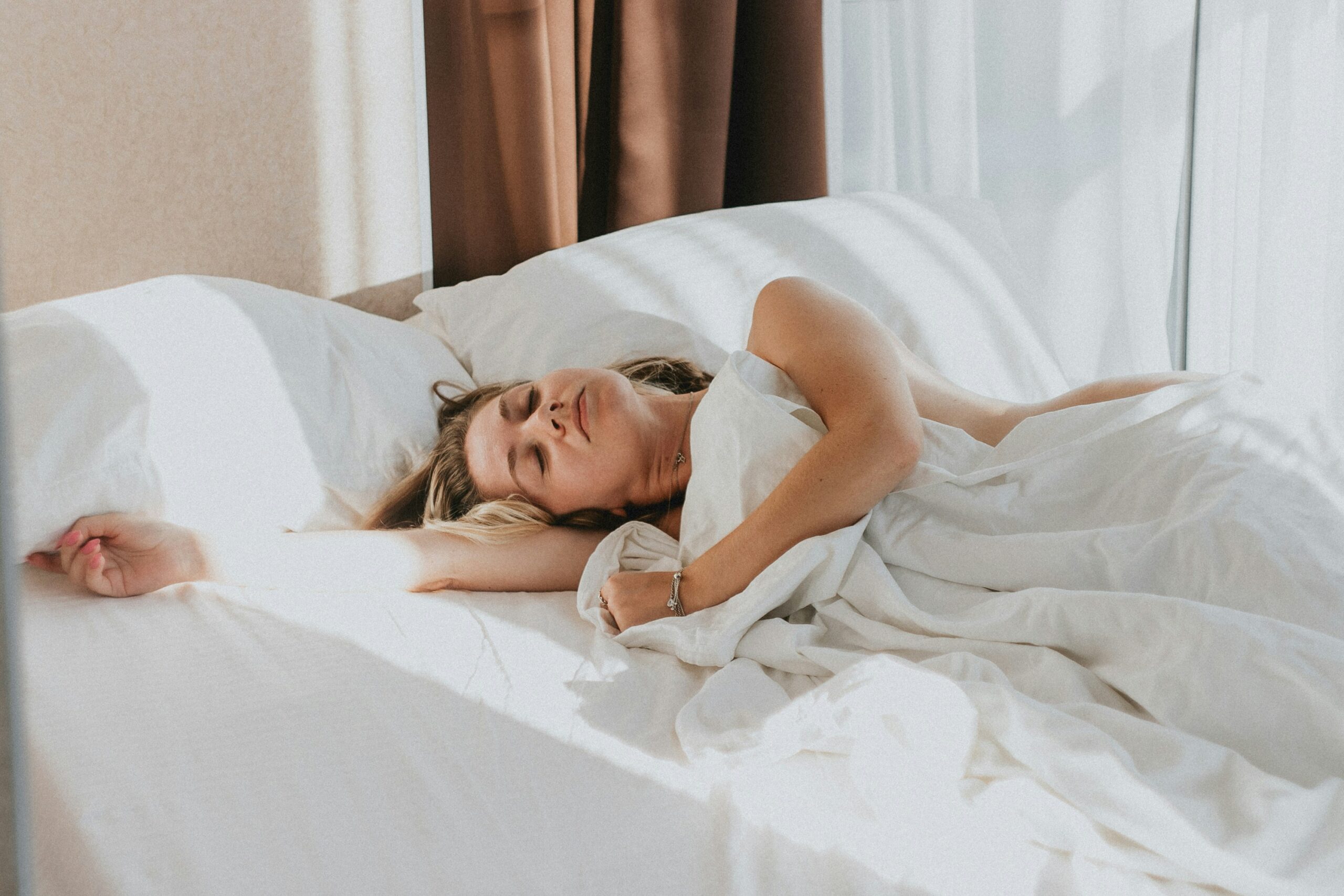
Matthew Walker opens Why We Sleep with a statement that stopped many readers cold: “No aspect of our biology is left unscathed by sleep deprivation.”
Sleep is the non-negotiable foundation of everything we’re trying to optimize for longevity. Every other intervention — exercise, cold exposure, sauna, fasting, supplements — builds on a baseline of adequate sleep. Without it, they all underperform.
Chronic short sleep (under 7 hours) is associated with:
- 2× the risk of heart attack and stroke
- 3× the risk of Type 2 diabetes onset
- 40–50% increase in cancer risk across multiple types
- Accelerated Alzheimer’s progression (amyloid accumulation increases during sleep loss)
- Suppressed immune function (1 night of 4 hours reduces NK cell activity by 70%)
- Elevated cortisol, reduced testosterone, elevated blood pressure
- Accelerated cellular aging (shorter telomeres, higher DNA damage markers)
This isn’t cause for anxiety — it’s cause for action. Sleep is the highest-leverage longevity intervention available, and most of it is free.
The Sleep Architecture You’re Trying to Protect
N1: Transition to sleep — light, easily disrupted (~5% of total sleep time)
N2: True sleep — body temperature drops, heart rate slows, sleep spindles protect sleep from noise (~50%)
N3 (Deep Sleep): Most restorative stage — growth hormone release, immune function, cellular repair, memory consolidation, metabolic waste clearance via the glymphatic system (~20%)
REM Sleep: Dreaming, emotional processing, skill consolidation, creativity (~20–25%)
Deep sleep and REM are the longevity-critical stages. Both are disproportionately suppressed by alcohol, late eating, blue light exposure, and irregular timing.
The Glymphatic System: Why Sleep Clears Your Brain
During deep sleep, cerebrospinal fluid pulses through channels in the brain, flushing out metabolic waste — including amyloid beta and tau proteins, the primary markers of Alzheimer’s disease. This clearance system is 10× more active during sleep than waking.
Poor sleep = metabolic waste accumulation in the brain = accelerated neurodegeneration. This is why sleep quality — not just duration — matters profoundly for brain longevity.
The Five-Pillar Sleep Optimization Protocol
Pillar 1: Timing (Most Important)
Sleep at the same time every night and wake at the same time every morning — including weekends.
This is the single most impactful sleep optimization intervention. Inconsistent timing is like giving yourself social jet lag every week — it disrupts cortisol, melatonin, growth hormone, and the circadian regulation of sleep stages.
Target: Consistent timing within 30 minutes of the same time, 7 days a week.
Tracking: Oura Ring’s sleep consistency score is one of the most actionable features — it tracks whether you went to bed and woke at consistent times and shows how consistency affects your readiness score.
Pillar 2: Environment (Sleep Sanctuary)
Temperature: The brain and body need to drop core temperature by 1–3°C to initiate and maintain sleep. Ideal bedroom temperature: 65–68°F (18–20°C). Warm feet help — warming extremities draws blood from the core, lowering core temperature.
Darkness: Complete darkness is essential. Even small amounts of light during sleep can disrupt melatonin and sleep quality. Use blackout curtains or a sleep mask. No phone in the bedroom.
Silence: White noise, pink noise, or ear plugs help in noisy environments. Sudden noise disrupts sleep architecture more than constant background sound.
Pillar 3: Pre-Sleep Routine (Wind-Down Protocol)
The 60–90 minutes before bed should be a progressive transition from stimulation to calm.
What to do:
- Dim lights 1 hour before bed (bright light suppresses melatonin via melanopsin receptors)
- Avoid screens or use blue-light blocking glasses — blue light delays melatonin by 1.5–3 hours
- Shower 1–2 hours before bed: the post-bath core temperature drop accelerates sleep onset
- Magnesium glycinate (200–400mg) — activates GABA receptors; consistently improves sleep quality
What to avoid:
- Alcohol within 3–4 hours of bed (suppresses REM even in small amounts)
- Heavy meals within 3 hours of bed
- Intense exercise within 2 hours of bed
- Caffeine after 2pm (half-life of 5–7 hours)
Pillar 4: Morning Anchoring
Morning light exposure within 30–60 minutes of waking. Sunlight activates melanopsin receptors in the eyes and sets the 16-hour timer to sleep onset. Missing morning light delays melatonin release and makes it harder to fall asleep that night.
Delay caffeine by 60–90 minutes after waking. Adenosine is still clearing when you wake. Caffeine right at waking blocks it without clearing — setting you up for the afternoon crash when it wears off.
Pillar 5: Managing Stress and Cognitive Arousal
The most common cause of lying awake isn’t physical — it’s mental. Racing thoughts, planning, rumination.
- Worry journaling: 10–15 minutes before bed to write tomorrow’s tasks and any concerns. Externalizing them reduces cognitive load during sleep.
- Box breathing (4-4-4-4): Inhale 4 counts, hold 4, exhale 4, hold 4. Reduces cortisol and activates the parasympathetic system.
- CBT-I: The gold standard for chronic insomnia — more effective than sleeping pills in long-term outcomes.
Supplements for Sleep: Evidence-Ranked
| Supplement | Dose | Evidence | Notes |
|---|---|---|---|
| Magnesium glycinate | 200–400mg | Strong | Best tolerated form; GABA activation |
| L-theanine | 100–200mg | Moderate | Relaxation without sedation; pairs well with low-dose melatonin |
| Melatonin | 0.3–1mg | Moderate | Most people overdose — 3–10mg suppresses natural production; use 0.3–1mg |
| Ashwagandha | 300–600mg | Moderate | Reduces cortisol; best for stress-related sleep disruption |
| Glycine | 3g | Moderate | Reduces core temperature; improves deep sleep |
| Apigenin | 50mg | Emerging | Chamomile extract; GABA-A agonist; used in Huberman protocol |
Measuring Sleep Quality
Oura Ring Gen 3 — gold standard consumer sleep tracking. Sleep stages, efficiency, consistency, HRV, temperature deviation. The Readiness Score shows when sleep quality translated to actual recovery.
WHOOP 4.0 — sleep need calculation + sleep performance score. Integrated with training load.
Simple non-tech option: Rate your sleep 1–10 each morning, note bedtime and wake time. Track weekly. Correlation with energy and HRV often reveals patterns faster than you’d expect.
Sleep Optimization for Longevity: The Bottom Line
Sleep optimization is the highest-ROI longevity intervention available. The changes that matter most are behavioral, not pharmaceutical — and most of them cost nothing.
The four highest-impact actions, in order:
- Consistent sleep and wake time (including weekends)
- Morning sunlight within 30–60 minutes of waking
- Cool bedroom temperature (18–20°C / 65–68°F)
- No alcohol within 3–4 hours of bed
Implement those four consistently for 30 days and measure the difference in your HRV, energy, and cognitive performance. The data will do the convincing.
Frequently Asked Questions
How many hours of sleep do I actually need? Research consistently points to 7–9 hours for adults. Most people claiming to function on 6 hours are habituated to chronic mild impairment. Tracking HRV with a wearable often reveals poor recovery scores even when people think they’re sleeping fine.
Is it okay to catch up on sleep on weekends? Partially. Acute sleep debt can be reduced, but cognitive impairment from the weekday shortfall isn’t fully reversed. Irregular timing disrupts circadian rhythm — sleeping 2 hours later on weekends has measurable metabolic and cognitive costs.
Can supplements replace good sleep hygiene? No. Sleep supplements can support quality at the margins but can’t compensate for irregular timing, alcohol, too much light, or high stress. Sleep hygiene is the lead role.
Does exercise help sleep? Yes, substantially. Regular aerobic exercise (especially Zone 2) is one of the most evidence-backed interventions for improving sleep quality and deep sleep percentage. Avoid intense exercise within 2 hours of bed.