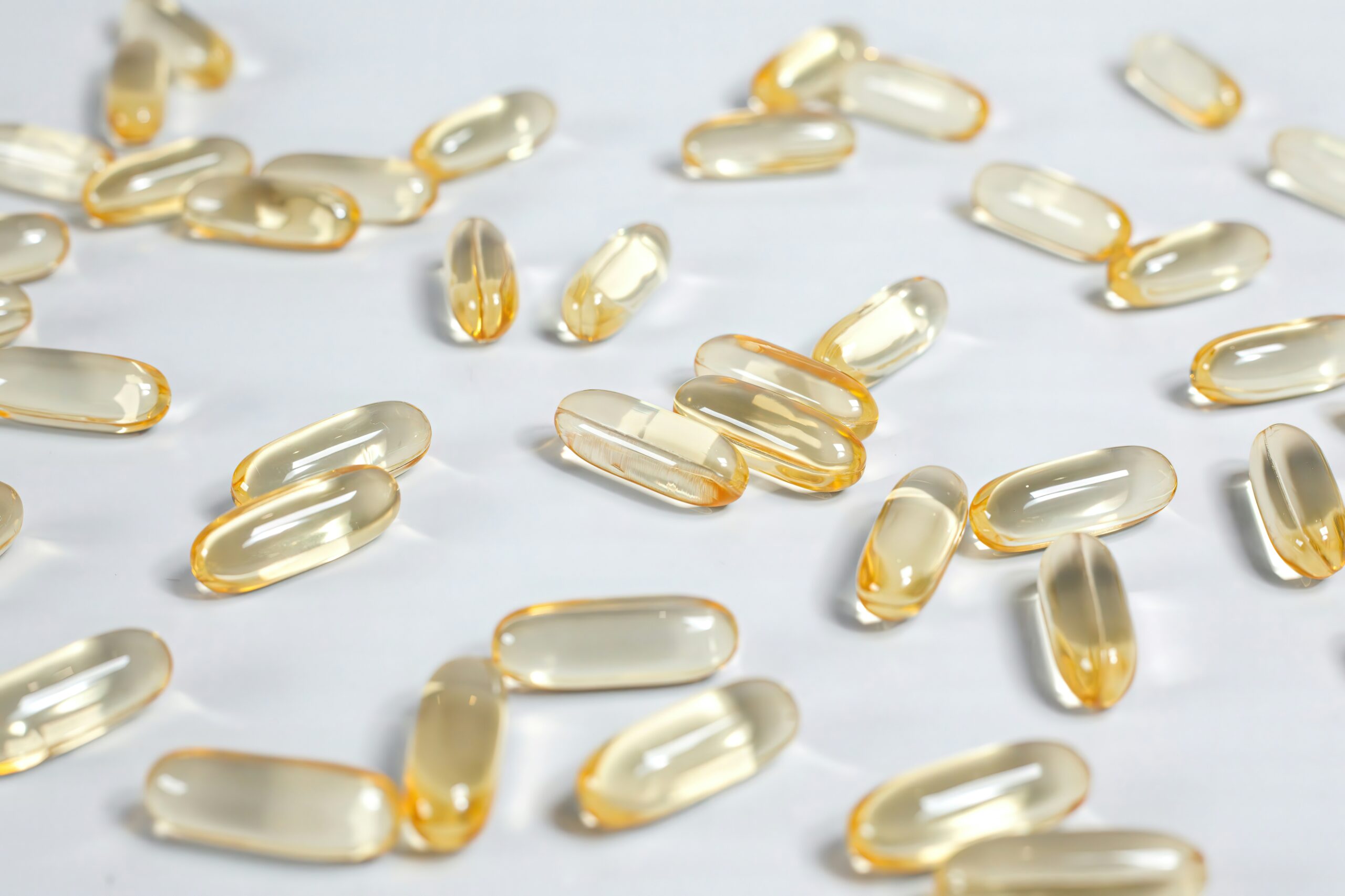
The supplement industry is worth over $150 billion globally, and most of it is built on a foundation of wishful thinking and strategic marketing. Proprietary blends with pixie-dust dosing. Compounds with mechanisms in petri dishes but no evidence in humans. “As seen in” testimonials that may as well be fiction.
This article is different. We’re ranking longevity supplements by a strict set of criteria: human randomized controlled trial data, a plausible and well-understood mechanism, a solid safety profile, and a realistic cost-benefit for the average person.
No hype. No miracle molecules. Just five longevity supplements that have actually earned their place in a longevity stack.
How We Ranked These Supplements
- Human evidence: Preference for RCT data in humans, not just animal studies or in vitro research
- Mechanism clarity: Do we understand why this works, not just that it works?
- Safety profile: Multi-decade safety record or well-characterized safety window in humans
- Effect size: Does it actually move the needle on outcomes that matter for longevity?
- Cost-effectiveness: Can a normal person afford this as a long-term protocol?
“Longevity supplement” doesn’t mean a supplement that makes you live longer — no such thing has been proven in humans. It means a supplement that improves healthspan markers: muscle, brain, heart, inflammation, metabolic health.
1. Creatine: The Best Longevity Supplement You’re Ignoring
Creatine is the most underrated longevity supplement available, and it costs almost nothing. Most people associate it with gym performance — but creatine has over 1,000 peer-reviewed studies, and the evidence extends far beyond muscle mass.
- Muscle preservation with aging: Sarcopenia (muscle loss) is one of the strongest predictors of mortality in older adults. Creatine combined with resistance training significantly reduces muscle loss in aging populations.
- Brain health: Creatine crosses the blood-brain barrier and supports neuronal energy metabolism. Studies show improved cognitive performance under mental fatigue and emerging neuroprotective effects.
- Energy metabolism: Creatine regenerates ATP — the cellular energy currency that declines with aging and mitochondrial dysfunction.
- Cardiovascular benefits: Some evidence for reduced homocysteine levels (a cardiovascular risk marker) with creatine supplementation.
Dose: 3–5g/day of creatine monohydrate. No loading phase necessary for most people.
Cost: Roughly $0.20–$0.40/day — one of the cheapest supplements per dose. View on Amazon
Safety: Impeccable. The “creatine damages kidneys” myth has been thoroughly debunked — creatine raises serum creatinine as an artifact of its metabolism, not because of kidney stress.
2. Vitamin D3 + K2: The Deficiency Most People Don’t Know They Have
Approximately 42% of Americans are deficient in Vitamin D. Vitamin D isn’t really a vitamin — it’s a prohormone that affects the expression of hundreds of genes. Deficiency is associated with:
- Increased all-cause mortality
- Higher rates of cardiovascular disease
- Impaired immune function
- Cognitive decline and depression
- Bone loss and fracture risk
- Reduced insulin sensitivity
Why D3 + K2? Vitamin D3 increases calcium absorption — but without adequate K2, that calcium can deposit in arteries instead of bones. K2 (MK-7 form) directs calcium to the skeleton and away from soft tissues. The D3+K2 combination is now standard in evidence-based longevity protocols.
Dose: Get a 25-OH Vitamin D blood test first. Optimal range: 50–70 ng/mL. Most deficient adults need 2,000–5,000 IU D3/day. K2 (MK-7): 100–200mcg/day.
Cost: ~$15–25/month. View on Amazon
3. Omega-3: The Cardiovascular and Brain Longevity Stack
Omega-3 fatty acids — specifically EPA and DHA — are among the most studied nutrients in the world.
- Cardiovascular health: Reduces triglycerides by 15–30%, lowers inflammation, reduces blood pressure modestly
- Brain health: DHA is the primary structural fat in the brain. Higher DHA correlates with larger brain volume and reduced Alzheimer’s risk
- Inflammation: EPA and DHA are precursors to anti-inflammatory resolvins and protectins
- Telomere length: Higher omega-3 levels associated with slower telomere shortening
Quality matters: Look for IFOS-certified products. Oxidized fish oil is inflammatory rather than anti-inflammatory. View IFOS-certified options on Amazon
Dose: 1–3g of combined EPA+DHA per day. Cost: $25–50/month depending on dose and source.
4. Magnesium: The Master Mineral for 300+ Reactions
Magnesium is involved in over 300 enzymatic reactions in the human body. About 48% of Americans consume less than the recommended daily amount — and stress, alcohol, and certain medications deplete it further.
- Sleep quality: Activates GABA receptors and regulates melatonin — the most consistently reported benefit
- Blood pressure: Multiple meta-analyses show meaningful blood pressure reductions
- Insulin sensitivity: Magnesium is a cofactor for insulin receptors. Deficiency is associated with insulin resistance and T2D risk
- Bone health: About 60% of the body’s magnesium is stored in bone — essential alongside Vitamin D and K2
Improved sleep from magnesium has a direct impact on your heart rate variability (HRV) — one of the most valuable biomarkers for tracking longevity day to day.
Form matters: Magnesium oxide (cheapest, most common) has poor bioavailability (~4%). Prefer magnesium glycinate (best tolerated, ideal for sleep) or malate (good for daytime use).
Dose: 200–400mg elemental magnesium/day. Glycinate at night is the most common protocol. Cost: ~$15–30/month. View on Amazon
5. NMN or NR: NAD+ Precursors for Cellular Energy
NAD+ declines by roughly 50% between ages 20 and 50, affecting energy metabolism, DNA repair, and sirtuin activation — three systems central to longevity biology. NMN and NR are the two most studied precursors for restoring NAD+ levels.
- Both are reasonable inclusions in a longevity stack
- Dose: NMN 250–500mg/day or NR 300–500mg/day
- Cost: $40–80/month. View on Amazon
- Honest caveat: promising but not yet proven in long-term human outcome trials
Notable Mentions
Berberine: Strong evidence for blood glucose regulation and cholesterol improvement. Often compared to metformin. Dose: 500mg 2–3x/day with meals. View on Amazon
CoQ10 (Ubiquinol): Strong rationale for those on statins; less compelling for healthy adults. Ubiquinol form preferred after age 40. Dose: 100–300mg/day.
Resveratrol: Current evidence is interesting but weaker than originally claimed. May be more useful as part of an NMN combination protocol.
How to Build Your Longevity Stack
Month 1: Vitamin D3 + K2 (get tested first) + Magnesium glycinate (200mg at night)
Month 2: Add Omega-3 (1–2g EPA+DHA from IFOS-certified source)
Month 3: Add Creatine monohydrate (3–5g/day)
Month 4+: NMN or NR if budget allows
Total cost for the core four: approximately $60–90/month.
Best Longevity Supplements 2026: The Bottom Line
These five longevity supplements won’t reverse aging or guarantee a longer life. What they will do — when combined with regular exercise, quality sleep, stress management, and a whole-food diet — is support the biological systems most associated with healthy aging at the cellular level.
Start with the foundations. Be consistent. Measure what you can. And be appropriately skeptical of anything that promises more than the science supports.
Frequently Asked Questions
Do I need all five supplements to benefit? No. The single best-value addition for most adults over 40 is creatine. The single most important deficiency to correct is Vitamin D. Start there.
Can I get these nutrients from food instead? Some, partially. Creatine: yes, from red meat (~1–2g/day vs 3–5g therapeutic dose). Omega-3: yes, from fatty fish 2–3x/week. Magnesium and Vitamin D: difficult to reach therapeutic doses through diet alone.
Are there interactions between these supplements? No significant negative interactions among the five. Take Vitamin D and Omega-3 with a fat-containing meal. Magnesium at night. Creatine and NMN/NR any time.
Should I consult a doctor first? For Vitamin D especially — testing your levels before and after starting is best practice. For the others, standard doses are generally safe for healthy adults.