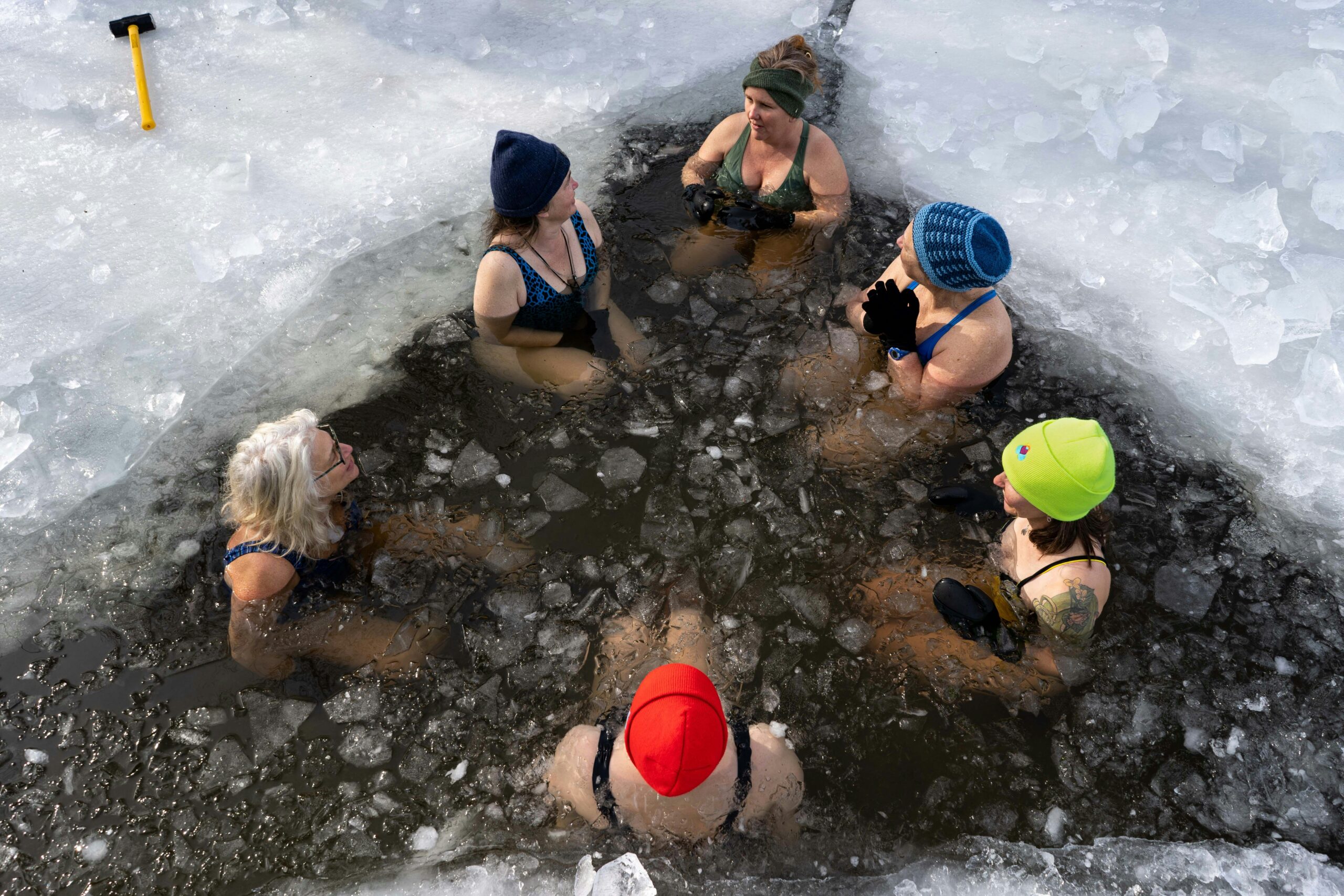
Cold exposure is one of the oldest forms of stress-based medicine — practiced in Nordic cultures for centuries, studied in physiology labs for decades, and now experiencing a renaissance in the longevity and biohacking community. From Andrew Huberman to Rhonda Patrick to the Wim Hof Method, cold therapy has become a mainstream wellness practice. But the scientific evidence is more nuanced than the viral videos suggest.
This guide cuts through the hype: what cold exposure actually does to your body, which forms work best, what the protocols look like, and what the research genuinely supports.
The Biology of Cold Exposure
When you immerse yourself in cold water or step into a cold shower, your body initiates a cascade of physiological responses:
Immediate response: Vasoconstriction (blood redirected to vital organs), cold shock response (involuntary gasping, increased heart rate), norepinephrine surge (the primary driver of cold exposure’s mood and focus benefits), and sympathetic nervous system activation.
Adaptation over time: Brown adipose tissue (BAT) activation and growth (brown fat burns energy to generate heat — metabolically protective), improved cold tolerance, increased vagal tone (stronger parasympathetic recovery), and cardiovascular adaptation with improved vasomotor control.
What the Research Actually Shows
Well-Established Benefits
Norepinephrine increase: Cold exposure causes a dramatic, dose-dependent increase in norepinephrine — 200–300% increases with cold water immersion. Norepinephrine improves focus, mood, alertness, and drives brown fat activation. The most consistent finding in cold exposure research.
Brown fat activation: Cold exposure activates BAT, which generates heat by burning calories. Regular cold exposure increases BAT volume and activity. BAT is metabolically protective — associated with lower BMI, better insulin sensitivity, and lower cardiovascular risk.
Mood and mental health benefits: Multiple studies support cold exposure’s mood-enhancing effects via norepinephrine, dopamine, and endorphin release. The mood lift from a cold shower is real and consistent.
Reduced muscle soreness (DOMS): Cold water immersion after exercise reliably reduces delayed onset muscle soreness — one of the most evidence-backed applications of cold therapy.
Emerging/Promising Benefits
Longevity via hormesis: Cold exposure is a classic hormetic stressor — mild stress that triggers adaptive responses. The longevity hypothesis is that cold exposure activates the same stress-response pathways (AMPK, sirtuins, autophagy) as exercise and caloric restriction. Human RCT data is limited, but the mechanistic case is plausible.
Important caveat — timing relative to exercise: Cold water immersion within 1–2 hours of strength training can blunt hypertrophy by suppressing inflammatory signaling needed for muscle growth. If your goal is muscle building, avoid cold immersion immediately post-lifting. Wait 4–6 hours, or use cold exposure in the morning and strength training in the afternoon/evening.
Ice Baths vs. Cold Showers vs. Cryotherapy
Cold Showers
Temperature: 10–20°C (50–68°F). Duration: 30 seconds to 3 minutes. Cost: Free.
The easiest entry point. Cold showers produce real norepinephrine increases and mood benefits. Start with 30 seconds of cold at the end of a warm shower. Progress to 1, 2, then 3 minutes over several weeks. For advanced practice, full cold showers maximize the effect.
Cold Water Immersion (Ice Baths)
Temperature: 10–15°C (50–59°F). Duration: 3–15 minutes.
Equipment options:
- DIY: Large stock tank or cold plunge tub + bags of ice — most affordable setup
- Dedicated cold plunge tubs: $300–800 (ice-based, no chiller)
- Chilled plunge systems (Ice Barrel, Plunge): $3,000–5,000 — maintain temperature without ice
Huberman/Attia protocol: 11 minutes total per week distributed across 2–4 sessions. Temperature 10–15°C. Timing: morning for alertness and mood benefits; NOT within 4 hours of strength training.
Rhonda Patrick protocol: 57°F (14°C) for 20 minutes, 2× per week. Focuses on brown fat activation and longevity hormesis.
Cryotherapy
Temperature: −110 to −140°C in cryo chamber for 2–3 minutes. Cost: $40–80 per session.
Honest assessment: cold water immersion is generally more effective per session than cryotherapy because air is a poor conductor and the extreme cold is surface-level only. Cryotherapy’s main advantage is speed (3 minutes) and tolerance. For longevity protocols, it’s a third-tier option unless water immersion isn’t accessible.
Practical Protocol for Beginners
Month 1 — Cold Shower Foundation: End every shower with 30–60 seconds of cold water. Focus on controlled breathing (slow exhale). Goal: build the habit, normalize the discomfort.
Month 2 — Cold Shower Extension: Progress to 2–3 minutes of cold at end of shower. Experiment with full cold showers on 2–3 days. Most people notice clear mood improvement within 2–3 weeks.
Month 3 — Add Cold Immersion: 1–2 cold plunge sessions per week, 3–5 minutes at 10–15°C. Time cold plunges away from strength training. Continue daily cold shower habit.
Advanced (Month 4+): 3–4 plunge sessions per week. Experiment with longer duration or lower temperature. Consider combining with Zone 2 training (morning cold plunge + afternoon Zone 2).
Safety Considerations
Who should avoid or be cautious: Cardiovascular disease or arrhythmias, Raynaud’s disease or cold urticaria, uncontrolled hypertension, peripheral neuropathy, pregnancy.
First-time cold plunge risks: The cold shock response (gasping, sudden heart rate increase) can be dangerous if you hyperventilate and go underwater. Never plunge alone. Enter slowly. Control your breathing before and during.
The Bottom Line
Cold exposure is a legitimate longevity tool — not a miracle, not a fad. The norepinephrine boost, brown fat activation, and hormetic stress adaptation are real and evidence-backed. The mood and mental health benefits are among the most consistently reported in the wellness literature.
Start with cold showers. Stick with them for 30 days before investing in equipment. The habit and tolerance you build with showers transfers directly to more intense protocols. When you’re ready to upgrade, the stock tank setup is the most cost-effective entry into cold water immersion.
Frequently Asked Questions
Does cold exposure burn significant calories?
The calorie burning from cold-induced thermogenesis is real but modest — 50–300 kcal per session depending on duration and temperature. It’s not a weight loss strategy, but it contributes to metabolic activation and brown fat development.
How cold does the water need to be?
For meaningful norepinephrine and brown fat activation, water should be at or below 15°C (59°F). For maximal therapeutic effect, 10–14°C is the most commonly used range.
Is cold exposure safe every day?
Daily cold showers are safe for most healthy adults. Daily cold plunges at extreme temperatures (sub-10°C) for extended periods may warrant more recovery time. Most protocols use 2–4 plunge sessions per week.
What’s the Wim Hof Method?
The Wim Hof Method combines cold exposure with a specific breathing technique (cyclical hyperventilation followed by breath retention). Important: never practice the Wim Hof breathing in or near water due to drowning risk from hypocapnia-induced loss of consciousness.
Disclosure: This article contains affiliate links. If you purchase through our links, we may earn a commission at no extra cost to you. We only recommend products we have researched and believe add genuine value.