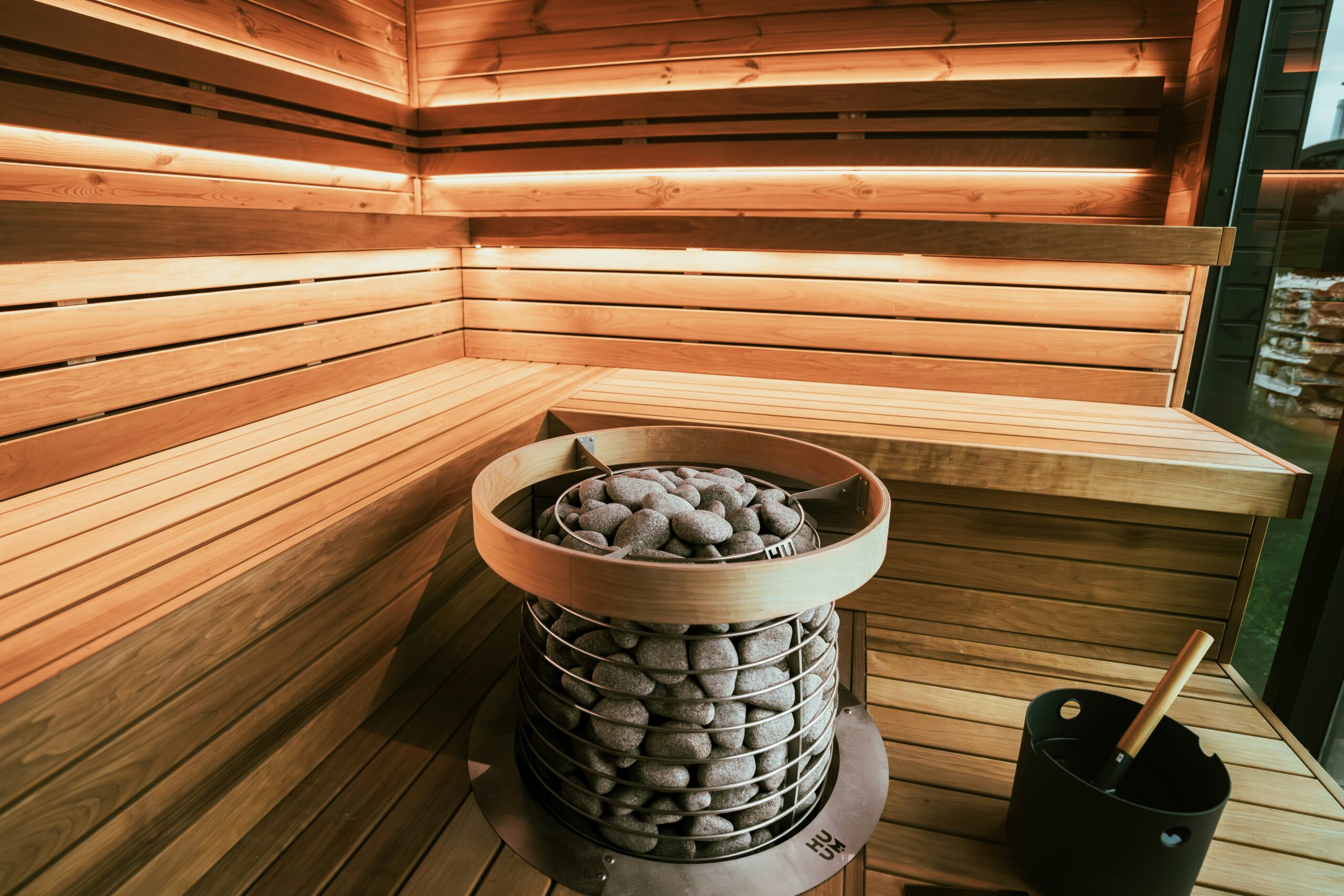
Of all the longevity practices in the biohacking world, few have the depth of human evidence that regular sauna use does. The landmark research comes from Dr. Jari Laukkanen and colleagues at the University of Eastern Finland, who followed over 2,000 Finnish men for 20 years. What they found is striking: the frequency and duration of sauna use correlates in a dose-dependent fashion with dramatically lower rates of cardiovascular disease, sudden cardiac death, all-cause mortality, and dementia.
The Laukkanen Studies: The Strongest Evidence Base
The Kuopio Ischaemic Heart Disease Risk Factor Study is the primary source of the sauna-longevity evidence:
| Outcome | 2–3 sessions/week | 4–7 sessions/week |
|---|---|---|
| Cardiovascular mortality risk | 27% lower | 50% lower |
| Sudden cardiac death risk | 22% lower | 63% lower |
| All-cause mortality | — | 40% lower |
| Dementia risk | 22% lower | 66% lower |
Sessions of 19+ minutes showed stronger associations than shorter sessions. The Finnish sauna protocol (80–100°C, 19 minutes, with cooling between rounds) is the closest match to the studied population.
Important caveat: these are observational studies in a Finnish population. Causality isn’t proven. Sauna users may also exercise more and have healthier lifestyles. However, the dose-response relationship and mechanistic plausibility are both compelling.
The Biology: What Sauna Does to Your Body
Cardiovascular Effects
Core body temperature rises 1–2°C. Heart rate increases to 100–150 bpm (comparable to moderate exercise). Cardiac output increases 60–70%. Blood vessels dilate, reducing peripheral vascular resistance. Over time: improved endothelial function, reduced arterial stiffness, lower resting blood pressure.
Heat Shock Proteins (HSPs)
Sauna exposure upregulates heat shock proteins — molecular chaperones that repair misfolded proteins and protect against protein aggregation (a hallmark of neurodegenerative diseases). HSPs are a primary mechanistic link between sauna use and dementia protection.
Growth Hormone
Sauna exposure stimulates growth hormone release. Two 15-minute sauna sessions at 80°C separated by a 30-minute cooling period can increase GH by 200–1600%. GH supports muscle maintenance, fat metabolism, and cellular repair — central to longevity biology.
BDNF and Brain Health
Preliminary evidence suggests sauna increases BDNF (brain-derived neurotrophic factor) — a key protein for neuroplasticity, learning, and protection against neurodegeneration. This may partially explain the remarkable 66% dementia risk reduction seen in the 4–7 sessions/week group.
Types of Saunas: Which Is Best for Longevity?
Finnish Dry Sauna (Traditional) — The Evidence Standard
Temperature: 80–100°C (176–212°F). Humidity: 10–20%, periodically increased by pouring water on hot rocks (löyly). All of the Laukkanen studies and most longevity research used Finnish dry sauna. This is the reference standard.
Infrared Sauna
Temperature: 45–60°C (113–140°F). Infrared radiation heats tissues directly rather than heating the air. Infrared sauna studies show cardiovascular and wellness benefits, but the evidence base is significantly smaller than Finnish sauna. Honest assessment: if the lower temperature makes the practice more sustainable for you, infrared sauna is better than no sauna — but for maximum evidence match, Finnish sauna is preferred.
Optimal Protocol for Longevity
Frequency target: 4–7 sessions per week for maximum benefit; 2–3 sessions/week still shows significant benefit and is more realistic for most people.
Temperature: 80–100°C. Duration: 15–25 minutes; studies used 19+ minutes for strongest associations.
Multi-round protocol:
- Enter sauna for 15–20 minutes
- Exit, cool down (cold shower, cold plunge, or outside air) for 10–15 minutes
- Re-enter for another 15–20 minutes
- Final cooling and rest
Combining with cold exposure: Sauna followed by cold plunge is a traditional Nordic practice with additional cardiovascular benefits. The vasodilation from heat followed by vasoconstriction from cold creates a “vascular exercise” effect.
Hydration: Drink 500–700mL of water before sauna. Rehydrate after. Electrolytes are helpful for sessions over 20 minutes.
At-Home vs. Gym/Spa Sauna
At-home options:
- Barrel sauna (outdoor): $2,000–6,000 — excellent for consistent use
- Indoor sauna cabin: $1,500–4,000
- Infrared sauna cabin: $1,000–3,000
- Portable infrared sauna blanket: $150–400 — lower temperature, limited evidence match but accessible entry point
Cost amortization: A $3,000 home sauna used 4× per week over 5 years = ~$3/session. A gym membership with sauna at $60/month = ~$0.50/session. Gym access is more cost-effective if your facility has a quality dry sauna.
Safety Considerations
Consult a doctor if you have: Cardiovascular disease or history of heart attack, uncontrolled hypertension, pregnancy, kidney disease, or active viral illness with fever.
Common mistakes: Drinking alcohol before or during sauna (significantly increases risk of hypotension), not hydrating adequately, extending sessions beyond your tolerance, starting at maximum temperature as a first-time user.
The Bottom Line
Sauna use has the strongest longevity evidence base of any passive wellness intervention. The dose-response relationship between sauna frequency and cardiovascular and dementia outcomes is remarkable, and the biological mechanisms are well-characterized.
If you have access to a Finnish dry sauna — at a gym, spa, or at home — using it 3–4 times per week for 15–25 minutes per session is one of the highest-leverage longevity investments of time available. For those building toward a home setup, the portable infrared sauna blanket is the most affordable way to start building the habit.
Frequently Asked Questions
Is infrared sauna as good as traditional sauna for longevity?
The longevity research was conducted in Finnish dry saunas at 80–100°C. Infrared sauna research shows cardiovascular benefits but has a much smaller evidence base. Finnish sauna is the evidence-matched recommendation; infrared sauna is a reasonable alternative for those who prefer the lower heat or need a home option.
Can sauna replace exercise?
No. The cardiovascular stress of sauna (heart rate ~100–150 bpm) is comparable to moderate walking, but the muscle-building, VO2 max, and metabolic adaptations of exercise cannot be replicated by heat alone. Sauna and exercise are complementary, not substitutable.
Does sauna help with sleep?
Yes. Sauna use in the evening (2–3 hours before bed) can improve sleep quality. The rise and subsequent fall of core body temperature signal the body toward sleep onset. Melatonin production increases after the post-sauna cooling period.
Should I shower before or after sauna?
Shower before to remove oils and lotions. Shower after (cool or cold) to remove sweat and add the cardiovascular benefit of contrast therapy.
Disclosure: This article contains affiliate links. If you purchase through our links, we may earn a commission at no extra cost to you. We only recommend products we have researched and believe add genuine value.