Your heart doesn’t beat like a metronome. And that’s a good thing.
The variation in time between consecutive heartbeats — a measurement called heart rate variability, or HRV — is one of the most sensitive windows into your body’s physiological state. High HRV signals a nervous system that’s adaptable, resilient, and well-recovered. Low HRV signals stress, inflammation, fatigue, or dysfunction.
What makes HRV uniquely valuable for longevity is that it integrates information from dozens of biological systems — cardiovascular, metabolic, hormonal, inflammatory, neurological — into a single trackable number. It’s not a perfect biomarker, but it’s arguably the best single proxy we have for physiological resilience in a consumer-accessible format.
This guide explains what HRV actually is, why it matters for longevity, how to measure it, and what you can realistically do to improve it.
What Is Heart Rate Variability?
When you’re at rest, your heart might beat 60 times per minute. But those 60 beats aren’t evenly spaced. The interval between beat 1 and beat 2 might be 950ms; between beat 2 and beat 3, 1,020ms; beat 3 to beat 4, 970ms. The variation in these intervals is HRV.
This variability is primarily driven by the autonomic nervous system (ANS) — the part of your nervous system that regulates involuntary functions like heart rate, breathing, digestion, and stress response. The ANS has two branches:
- Sympathetic: the “fight or flight” system — accelerates heart rate, mobilizes energy, reduces variability
- Parasympathetic: the “rest and digest” system — decelerates heart rate, promotes recovery, increases variability
Higher HRV indicates stronger parasympathetic tone — meaning your body is in a well-recovered, low-threat state and your nervous system can rapidly modulate heart rate in response to demands. Lower HRV indicates sympathetic dominance — your body is in a stress or recovery state.
The most common HRV metric: RMSSD (root mean square of successive differences) — the most widely used metric in consumer wearables. It reflects short-term beat-to-beat variability and is strongly correlated with parasympathetic activity.
Why HRV Matters for Longevity
HRV isn’t just a fitness metric. It’s a longevity biomarker with substantial evidence across multiple health domains.
Cardiovascular Health
Low HRV is one of the strongest independent predictors of cardiovascular mortality. A landmark study in the Lancet (La Rovere et al.) established that post-MI patients with low HRV had dramatically higher mortality risk. Subsequent population studies have confirmed that low HRV predicts all-cause mortality even in healthy individuals.
Inflammation
HRV is closely linked to the cholinergic anti-inflammatory pathway — the mechanism by which the vagus nerve suppresses inflammatory cytokines. Low HRV is associated with higher systemic inflammation markers (CRP, IL-6). Since chronic low-grade inflammation is a primary driver of accelerated aging (the phenomenon known as “inflammaging”), HRV is effectively a proxy for inflammatory burden.
Metabolic Health
Studies consistently show lower HRV in individuals with insulin resistance, metabolic syndrome, and Type 2 diabetes — independent of body weight. Improving metabolic health raises HRV; metabolic decline lowers it.
Mental Health and Cognitive Function
Higher vagal tone (measured via HRV) is associated with better emotional regulation, lower anxiety, and reduced risk of depression. The polyvagal theory (Stephen Porges) positions HRV as a core indicator of the social engagement system — the neurological state required for healthy human connection and learning.
Biological Age
HRV declines predictably with chronological age — roughly 1–2ms per decade in RMSSD. But biological age and chronological age aren’t the same. People with high fitness, good sleep, low stress, and healthy metabolic profiles consistently show HRV scores decades above their chronological age peers. HRV is one of the better proxies we have for biological age in a wearable format.
What’s a “Good” HRV?
This is where most people get confused, and where fitness influencers cause unnecessary anxiety.
The most important rule: HRV is individual. Two people with similar fitness levels can have vastly different absolute HRV numbers and both be perfectly healthy. Genetics, age, sex, and baseline fitness all influence your number.
General ranges (RMSSD, measured overnight):
| Age Group | Low | Average | High |
|---|---|---|---|
| 20–29 | < 35ms | 55–70ms | > 90ms |
| 30–39 | < 30ms | 45–60ms | > 80ms |
| 40–49 | < 25ms | 35–50ms | > 65ms |
| 50–59 | < 20ms | 28–40ms | > 55ms |
| 60+ | < 18ms | 22–35ms | > 45ms |
The number that actually matters: YOUR trend. Your HRV baseline — the rolling average over 30–60 days — is your reference point. A day-to-day reading below your baseline by 10–15% is meaningful. An absolute number of 35ms might be perfectly normal for a 55-year-old and concerning for a 25-year-old athlete.
Oura Ring and WHOOP both calculate your personal baseline and present deviations from it rather than raw numbers — which is exactly the right approach.
How to Measure HRV
Wearable Devices (Best for Longitudinal Tracking)
Oura Ring Gen 3 (check price on Amazon): The gold standard in consumer HRV tracking. Measures HRV continuously throughout the night and calculates your average. The ring form factor provides superior signal quality vs. wrist devices. Includes HRV trends, deviation from baseline, and integration into the Readiness Score.
WHOOP 4.0 (check price on Amazon): Also measures all-night HRV and integrates it directly into the Recovery Score. Excellent for athletes who want to connect HRV to training load.
Garmin (Forerunner 265, Fenix 7) (check price on Amazon): Overnight HRV average with HRV Status feature (trending over time). Good quality; less coaching depth than Oura/WHOOP.
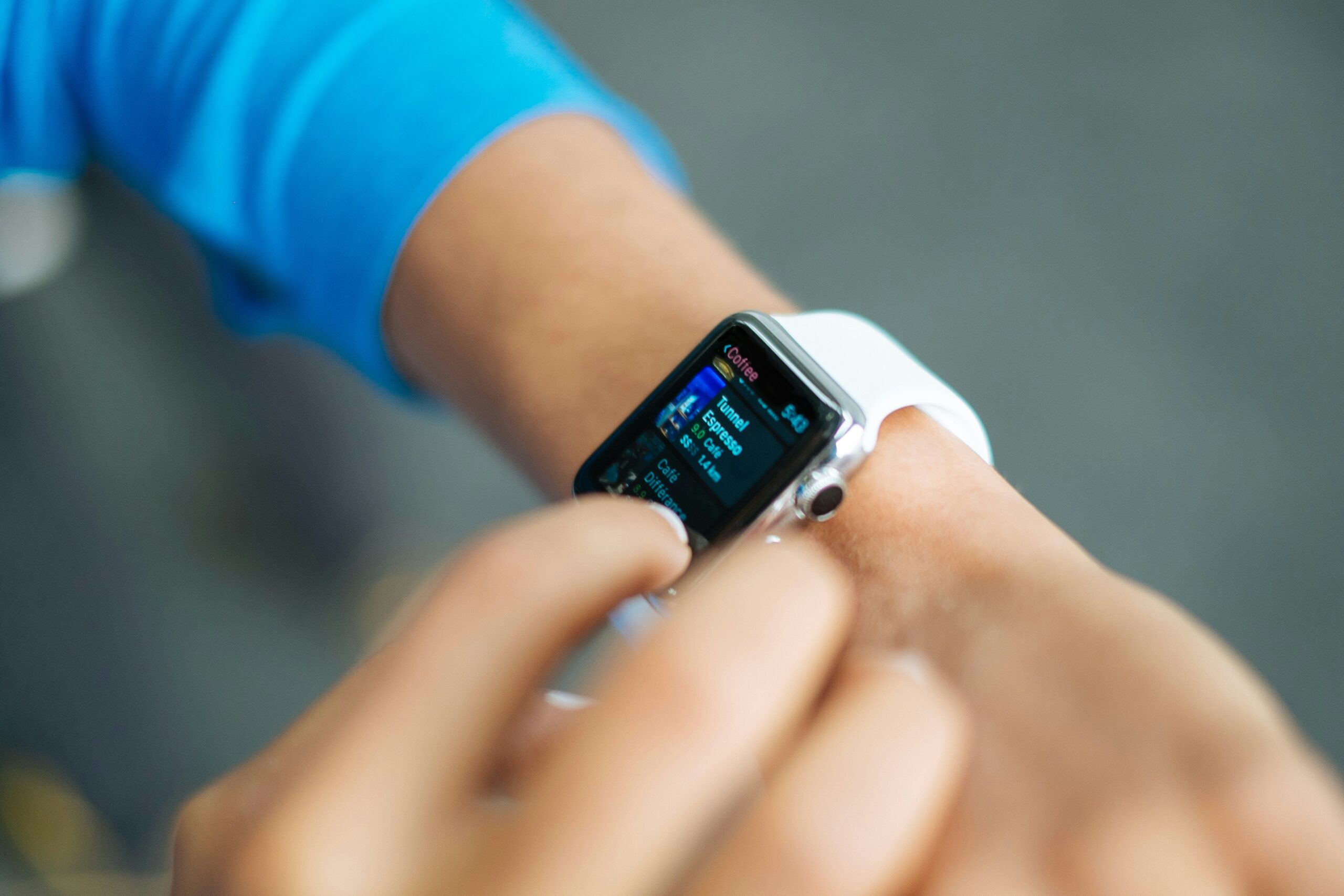
Apple Watch: Spot-check HRV during Breathe/Mindfulness sessions. Not suitable for trend tracking — too infrequent and not normalized to resting state.
Chest Strap (Most Accurate Consumer Option)
A Polar H10 or Garmin HRM-Pro chest strap with HRV4Training or Elite HRV app gives accuracy approaching medical-grade ECG. Requires a 5-minute morning measurement protocol. Best for athletes who want precision without overnight wear.
Medical Reference
For clinical purposes, HRV is measured from ECG (electrocardiogram) — more accurate than PPG-based consumer devices but requires medical equipment.
What Increases HRV?
The good news: HRV is highly responsive to lifestyle interventions. Most people can raise their baseline by 10–30% within weeks to months with consistent behavior change.
1. Quality Sleep (Biggest Single Lever)
Sleep is the primary driver of HRV recovery. Consistent sleep timing, adequate duration (7–9 hours), and low sleep debt all raise HRV. Alcohol — even 1–2 drinks — measurably suppresses HRV the following night.
2. Aerobic Exercise — Especially Zone 2
Regular aerobic exercise, particularly low-intensity sustained effort (Zone 2 — conversational pace), is the most evidence-backed intervention for raising resting HRV. It directly improves vagal tone and cardiovascular autonomic regulation. Even 150 minutes/week of Zone 2 shows measurable HRV improvements within 6–8 weeks.
3. Stress Management and Recovery
Psychological stress activates the sympathetic nervous system and suppresses HRV. Practices that activate the parasympathetic system — diaphragmatic breathing, meditation, yoga, time in nature — raise HRV over time. Even 5 minutes of slow breathing (5 seconds in, 5 seconds out) produces measurable acute HRV improvements.
4. Cold Exposure
Brief cold exposure (cold showers, ice baths) activates the diving reflex and vagal tone. Regular cold exposure is associated with higher resting HRV in several studies. Start with 30–60 second cold shower finishes and work up.
5. Sauna Use
Regular sauna use (particularly Finnish-style, 170–190°F) has strong evidence for cardiovascular benefits and moderate evidence for HRV improvement via heat stress adaptation.
6. Omega-3 Supplementation
Multiple meta-analyses show that omega-3 fatty acid supplementation (EPA+DHA) raises HRV by reducing inflammation and improving autonomic tone. Effect size: modest but consistent at doses of 1–3g EPA+DHA/day.
7. Magnesium
Magnesium deficiency is associated with lower HRV. Supplementing magnesium glycinate (200–400mg at night) is a low-risk, low-cost intervention with supporting evidence.
What Lowers HRV
These are the biggest suppressors — and understanding them helps you interpret day-to-day variations:
- Alcohol: Even 1–2 drinks causes measurable HRV suppression overnight
- Poor sleep: Less than 7 hours consistently lowers baseline HRV
- Overtraining: Training load that exceeds recovery capacity
- Acute illness: HRV drops 1–2 days before you feel symptoms (useful early warning)
- Travel and jet lag: Circadian disruption suppresses HRV for days
- Chronic psychological stress: Sustained sympathetic dominance
- Processed diet, high sugar: Metabolic inflammation lowers HRV
- Sedentary lifestyle: Low aerobic fitness directly correlates with low HRV
How to Use Your HRV Data Practically
The goal isn’t to obsess over daily numbers. It’s to use HRV as a feedback signal for behavioral decisions.
Practical framework:
- Green (above your baseline): Push hard in training, take on cognitive challenges
- Yellow (near baseline): Train at moderate intensity, normal work demands
- Red (significantly below baseline): Prioritize recovery, reduce intensity, investigate cause
Weekly patterns to watch:
- Declining baseline over 2–3 weeks: likely insufficient recovery, overtraining, or lifestyle stressor
- Sudden sharp drop: possible illness onset, alcohol, acute stress
- Gradual rise over weeks: training adaptations, better sleep, reduced stress
The Bottom Line
HRV is one of the most information-rich, readily accessible biomarkers available outside a clinical setting. It doesn’t tell you everything, but it tells you more than any other single consumer-grade measurement about your body’s adaptive capacity.
Track it consistently (Oura Ring or WHOOP are the best tools for most people), focus on your personal trend rather than absolute numbers, and use it as a behavioral feedback signal rather than a score to optimize for its own sake.
Frequently Asked Questions
Is a higher HRV always better?
Generally yes, but context matters. Very high HRV can occasionally reflect cardiac conditions. Within normal physiological ranges, higher HRV relative to your personal baseline is better. Don’t compare your absolute number to others — focus on your own trend.
What time of day should I measure HRV?
For the most accurate and consistent readings, measure HRV first thing in the morning before getting out of bed, after at least 5 minutes of waking. Overnight continuous measurement (as done by Oura and WHOOP) eliminates measurement protocol variability entirely and is the most reliable approach.
How quickly can I raise my HRV?
Acute improvements (same day) are possible through breathing exercises and stress reduction. Structural baseline improvements from aerobic training, better sleep, and lifestyle change typically emerge over 4–12 weeks of consistent effort. Some people see meaningful improvement within 3–4 weeks.
Does HRV predict lifespan?
HRV predicts cardiovascular mortality risk with statistical significance in large population studies. It’s a risk marker, not a deterministic predictor. Maintaining healthy HRV throughout life — through the lifestyle interventions described above — is one of the most tractable things you can do to reduce your risk of cardiovascular disease, which remains the leading cause of death globally.